Blog: Hello, World Freezes Over
Vantage Behavioral Mindcade: an ARG designed for my family.
An Overview
I do an ARG/Escape Room/Puzzle type game for my niece and nephews every year for Christmas. This gives me the problem of having to one-up myself every year. This year's was my most elaborate yet, and it has bits of narrative fiction, of simple cryptography, and of Human-Centered AI Development. Read on for more info about how.
This post is both a behind-the-scenes breakdown of how it was built and an experiment in using Human-Centered, AI-Assisted development to create a fully physical-digital immersive experience for k
The Concept:
In the story, the kids’ grandparents and I discover a strange locked briefcase marked “Property of VBS”, with no other identifying information. It looks like it’s from the 1970s or 80s. Unsure what to do with it, we decide the kids might enjoy figuring out what’s inside... so we ask Santa.
Santa gets quiet.
He says it’s been a long time since he’s seen one of those… and that we should be careful. He gives us a set of puzzles to help the kids recover the combination, but warns that whatever’s inside may not be entirely harmless...
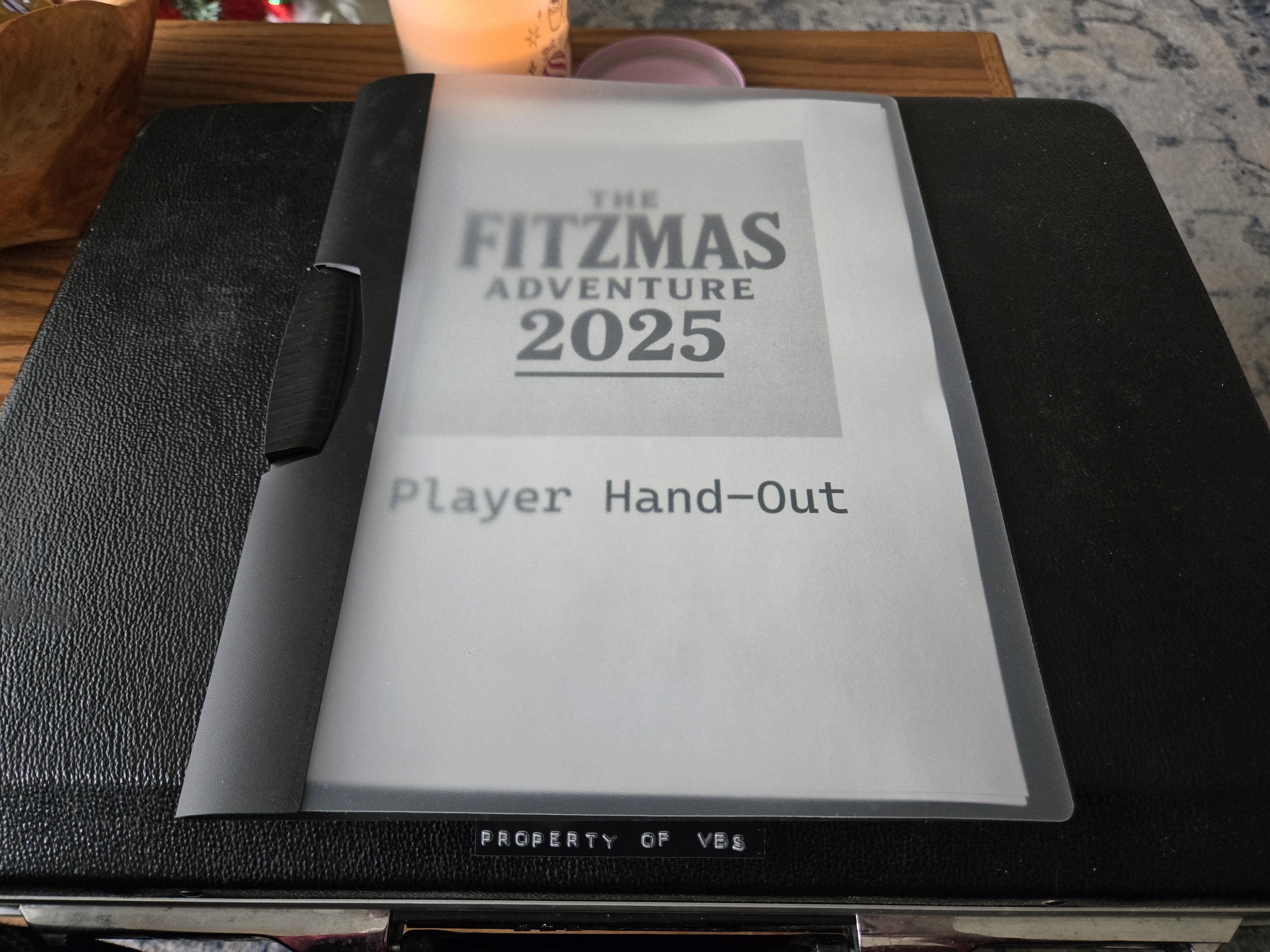
The Bait-and-Switch
Last year's puzzle was based around a Leonardo's Cryptex to unlock, but most of the 'work' they had to do was puzzles: jumbles, crosswords, math puzzles, logic puzzles, etc. This year, they do a few math puzzles, get the combination, open the lock and see... this
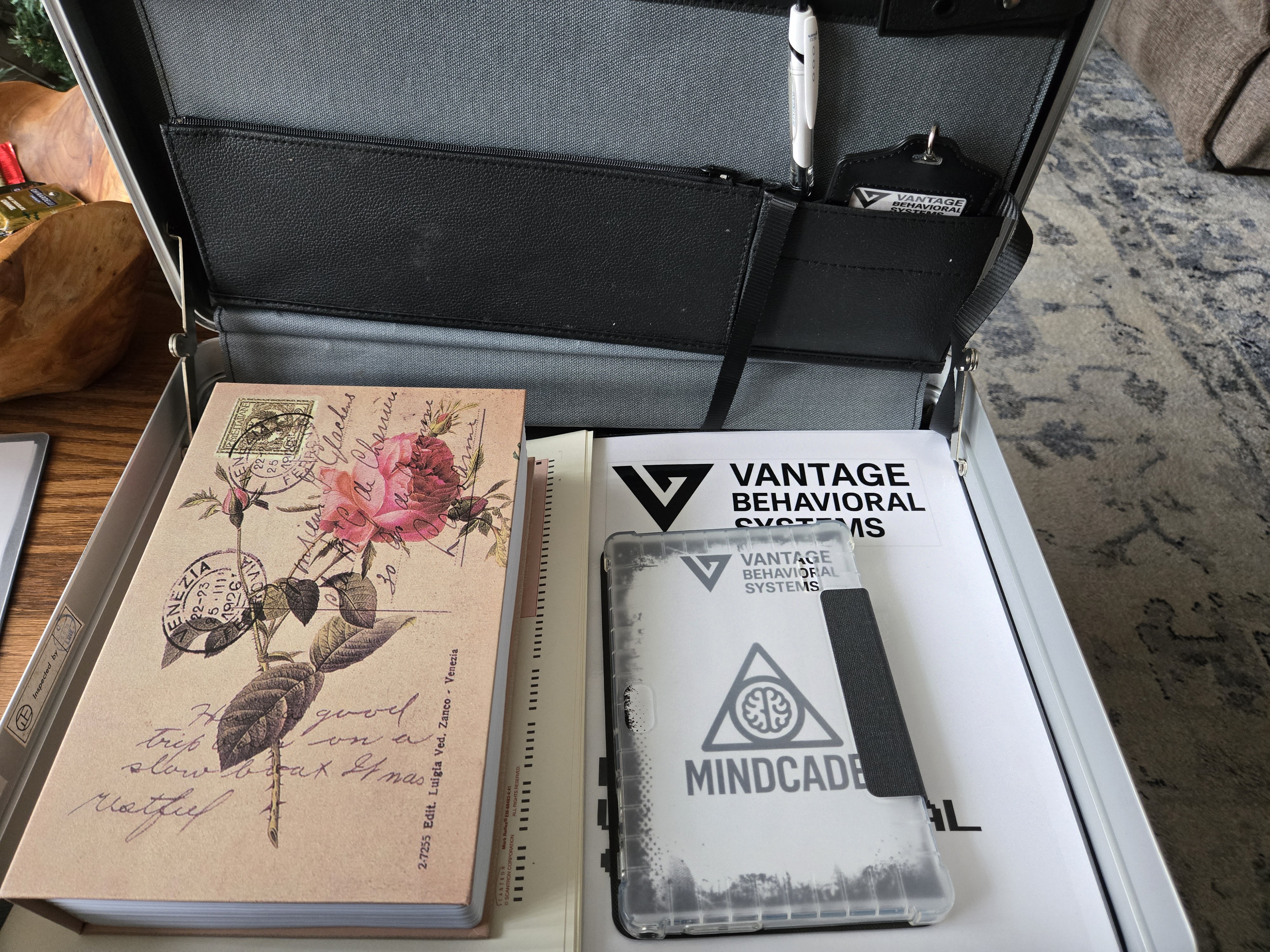
This year, the kids solved a few math puzzles, got the combination, opened the briefcase… and found this instead:
Inside:
- A locked book safe
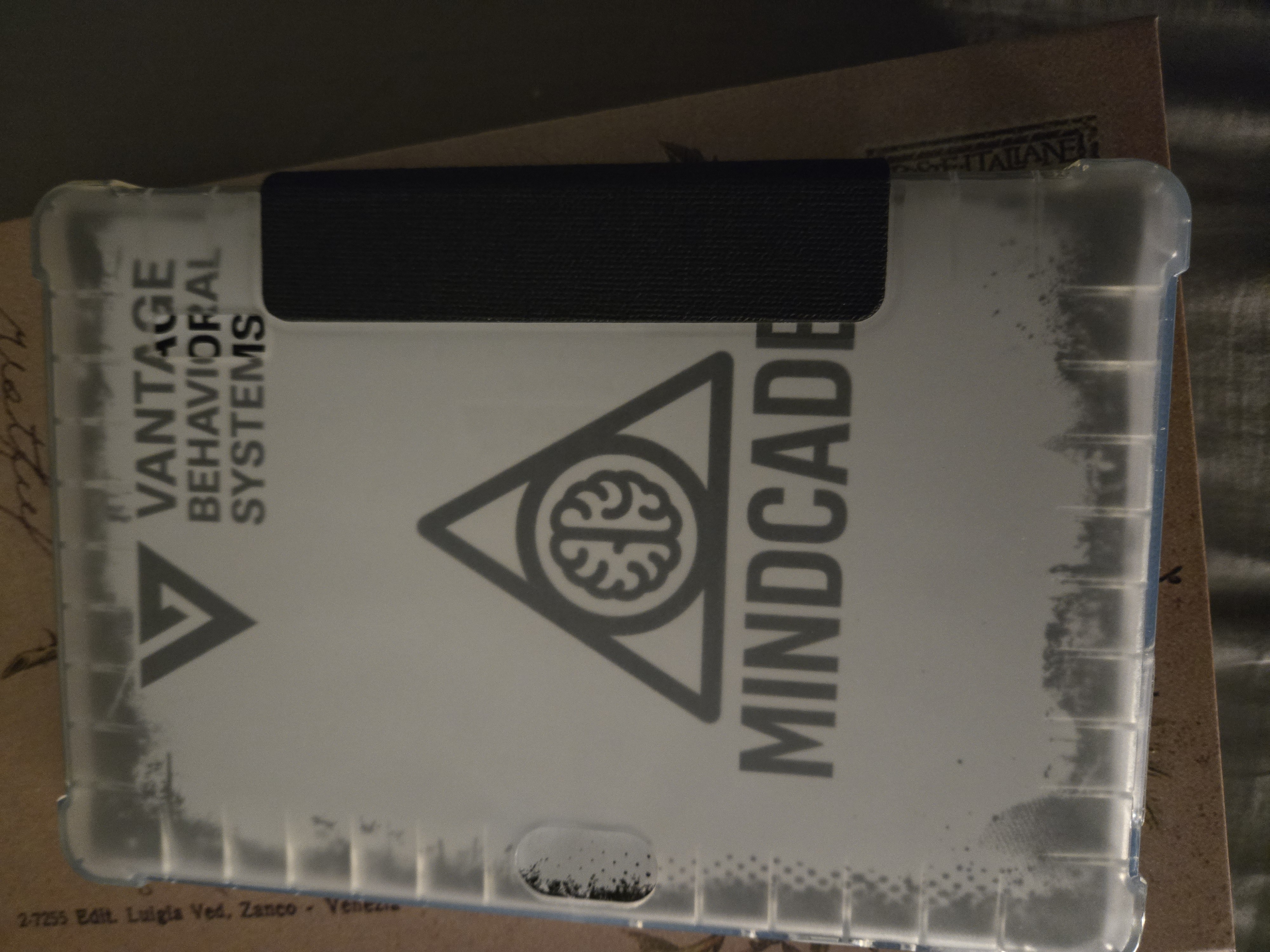
- A creepy tablet labeled MINDCADE
- A printed User Manual for the MindCade device
- A pile of memos, photos, forms, and even a faux employee badge belonging to one of the project’s founders
Wut?
The twist: the book safe was the real prize.
The tablet and documents were the key.

Unlocking the Device
Powering on the tablet revealed a custom “OS” asking for a four-digit PIN. Clearly, the PIN had to be deduced from the contents of the briefcase.
Clues were scattered everywhere:
- A fake assembly core dump, where placing a punch card overlay in the correct spot revealed digits to add and subtract
- A memo paired with a transparency that hinted at taking the digital root of the document’s date
- A Scantron-style assessment where the most common answer revealed a PIN digit
- Multiple documents containing Pigpen cipher text pointing to the next step
- An intake form using invisible ink (UV protocol) that only revealed its message under black light: “look to the photos”
The photos themselves were faux Polaroids showing a mysterious facility and handwritten notes about the project. On the backs: cryptic numbers that, when added and subtracted in the correct order, produced another digit.
While solving the PIN, they also uncovered the lore.
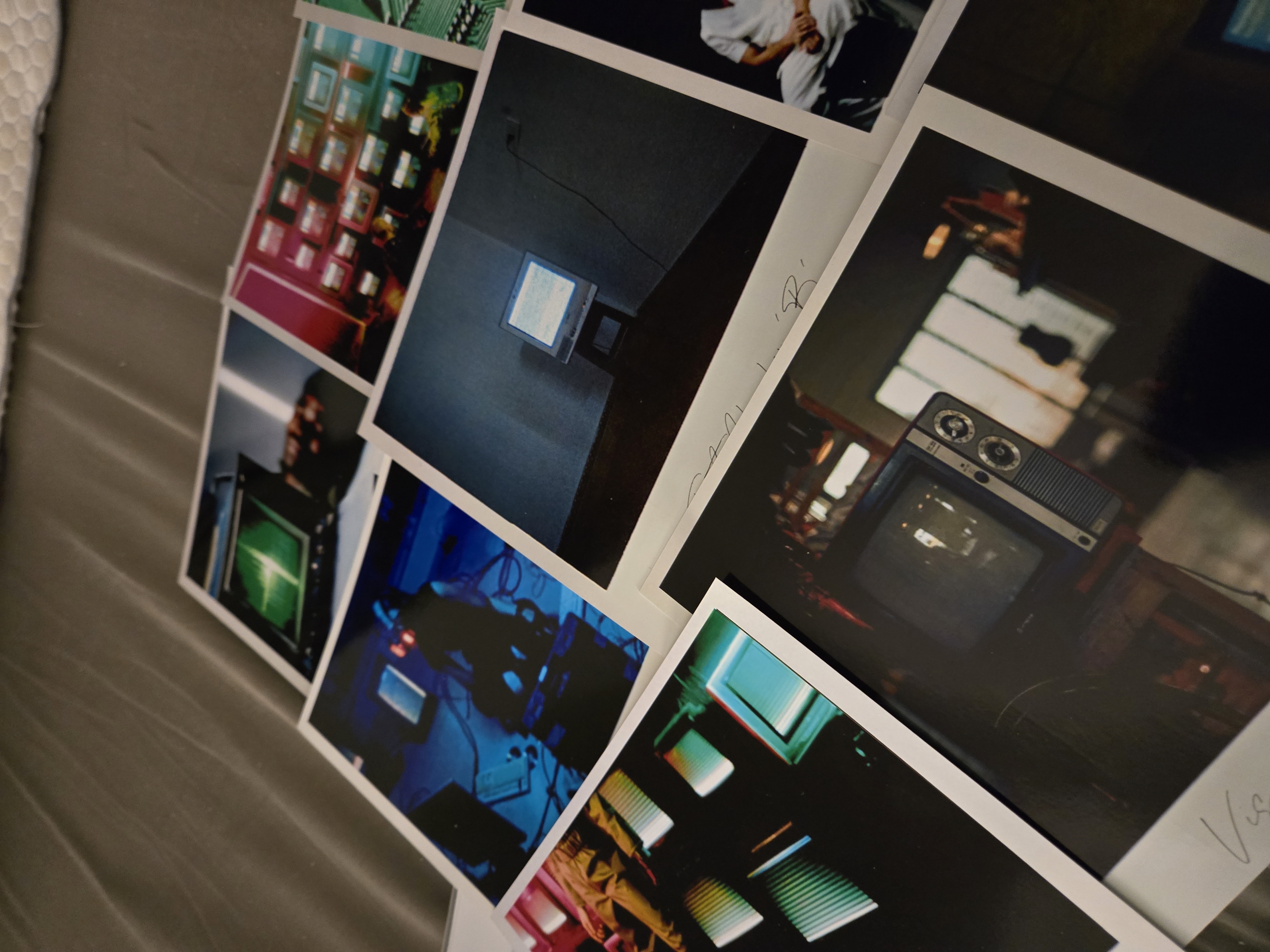
The Lore - Vantage Behavioral Systems
The documents described Vantage Behavioral Systems, a late–Soviet-era research group that ostensibly designed early computer systems and games. But the tone quickly turned unsettling.
Internal memos hinted that the “games” were actually tools for psychological analysis and possibly even behavioral manipulation, overseen by the enigmatic Dr. Miroslav Philharmonik.
The MindCade manual detailed the company’s history and listed twelve interactive “game sectors,” all framed as harmless aptitude tests… with just enough red flags to suggest otherwise.
Once they entered the correct PIN, the tablet didn’t open Android.
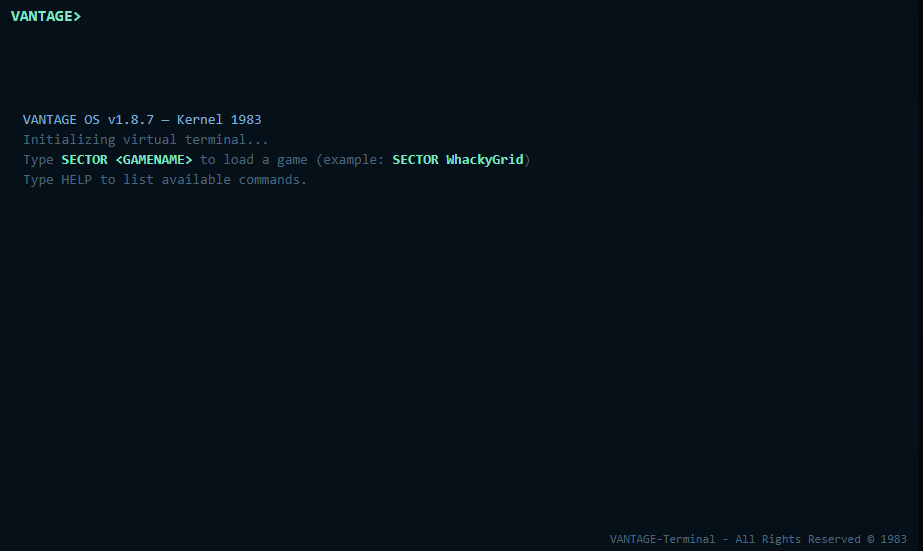
Instead, they were greeted by a command-line interface.
With help from the manual (and occasional nudges from parents), the kids figured out how to navigate the terminal and launch the “games.” Each one looked playful on the surface but functioned suspiciously like a psychological assessment: measuring reaction time, stress response, fine motor control, memory, rhythm, and impulse control.
Completing a game earned a ticket.
Tickets could be redeemed for letters.
Enough letters formed a nine-character password.
They took turns playing all twelve games (built in JavaScript using Phaser.js) including:
- Tappy Jumpy (endless runner)
- Crazy Mazey (finger-tracing maze)
- Reaction-time tests
- Sorting and timing challenges
Once they assembled the password, they were prompted to log in.
The username?
The name signed throughout the manual and printed on the employee badge:
Mirophil
The Final Unlock
Logging in revealed a hidden message from Dr. Philharmonik and the final layer of puzzles.
This time, the answers weren’t in the lore documents. They had to scour:
- The hardware itself
- Game metadata
- Creation dates
- Serial numbers
- Version strings
Each clue produced a digit. Together, they unlocked the book safe.
Inside:
- A letter from the fictional director
- A real letter from me wishing them a Merry Christmas
- Gifts and gift cards
Mission accomplished.
The Aftermath
All told, the experience took just under three hours of cooperative problem-solving, exploration, and gameplay. The kids were engaged the entire time, and it’s easily the project I’m most proud of.
The surprising part? The cost.
- Cheap Android tablet: $30
- Old beat-up briefcase: $15
- Printing (manuals, photos, documents): $30
- Book safe: $15
- Kiosk browser software: $10
The real investment was time.
How It Was Built
The entire system: faux OS, terminal, and games... was built using a Human-Centered, AI-Assisted development process. Extensive documentation, planning, clever prompting, and plenty of manual coding all played a role.
The logic was written in JavaScript, games were built with Phaser.js, and everything ran inside a custom webview packaged as an Android app. Kiosk mode ensured the tablet booted directly into the MindCade environment for total immersion.
I also got to sneak in some fun Easter eggs:
- A Windows 95 pipes screensaver
- A dial-up modem handshake on boot
- Subtle inconsistencies that only made sense later
What’s Next?
Now comes the big question:
Is there a market for something like this?
With refinement, it could be made less specific to my family. Cheap Android tablets are easy to source. Old briefcases might be trickier. Would it ship as a complete experience? A game master’s kit? Or as something the buyer plays themselves?
Lots to think about.
For now, I’m already planning next year’s adventure. Hardware sourcing has begun, and I’m even talking to a voice actor.
Only 358 days until the next Christmas mystery is revealed.
Share Your Feedback...
Website and all content ©2026 Jake Fitzenreider
Website powered by Oqtane